Top Solar Panels for Global Buyers?
Choosing the top solar panels for global buyers is not as simple as comparing wattage and price. A panel that performs well in Arizona may behave differently on a cloudy British roof or a humid coastal site in Southeast Asia.
Fatih Birol, Executive Director of the International Energy Agency, said, “Solar is now the cheapest electricity in history.” His observation explains the market’s momentum, but it does not remove the need for careful evaluation. Buyers still need to examine efficiency, temperature performance, degradation rates, warranty terms, and installer support.
Details matter.
A panel’s data sheet may show impressive laboratory results. Real roofs face dust, shade, high temperatures, snow, salt air, and limited maintenance. For example, a 450-watt panel can lose output when its surface becomes hot or partially shaded. Inverters, mounting systems, and cable quality also affect the final energy yield.
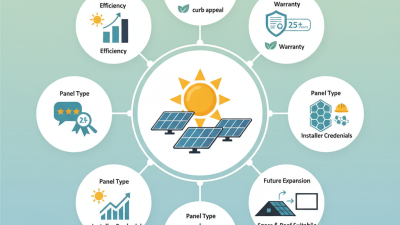
This guide compares solar panels through a practical global lens. It considers performance, durability, certifications, warranty credibility, supply stability, and value over time. Independent testing and manufacturer documentation deserve more trust than promotional claims.
Still, no ranking is perfect. Regional climate, grid rules, roof structure, and installer skill can change the best choice. That is an inconvenient truth.
A reliable decision should begin with measured needs, not fashionable specifications. Buyers should request local production estimates, review warranty conditions carefully, and confirm who will provide service after installation. The strongest solar panels are not always the most powerful. They are the ones that deliver dependable energy under real conditions, for many years, with risks clearly understood.
What Defines a High-Quality Solar Panel for Global Buyers?
Top Solar Panels for Global Buyers?
A high-quality solar panel begins with verified performance, not attractive packaging. Buyers should check independent test reports and certification against recognized international safety standards. The power rating matters, but it is only one part of the decision. A panel rated at 450 watts may produce less in hot, dusty conditions. Temperature coefficient, low-light response, and resistance to humidity deserve equal attention.
Look closely at the manufacturing details. Strong frames, sealed junction boxes, and uniform cell spacing can reduce long-term risks. In coastal regions, salt-mist resistance is especially important. Areas with heavy snow or frequent storms require suitable mechanical-load ratings. Ask for serial-number traceability and clear warranty terms. Vague promises are a warning sign.
Real projects often reveal differences that laboratory sheets miss. During site inspections, installers may find uneven roofs, partial shade, or poor ventilation behind panels. These details can lower output quickly. No panel performs perfectly everywhere. Even reliable products can disappoint when installation is rushed. Buyers should compare degradation rates, service arrangements, and replacement procedures before ordering. A lower purchase price may become expensive after several years. Independent inspection before shipment is useful, although it cannot replace careful installation and regular maintenance. Temperature data, production records, and photographs from similar climates provide more practical evidence than broad advertising claims.
Top Solar Panels for Global Buyers: Typical Commercial Efficiency
High-quality solar panels typically combine high conversion efficiency, strong temperature performance, long-term durability, and compliance with international safety standards. The chart shows representative commercial efficiency ranges by technology; actual specifications vary by product and market.
Indicative market ranges: monocrystalline silicon modules generally deliver higher efficiency than thin-film modules, while newer silicon architectures such as TOPCon and heterojunction commonly appear at the upper end of commercial module performance.
How Solar Panel Technologies Compare Across Markets
Top Solar Panels for Global Buyers?
How Solar Panel Technologies Compare Across Markets
Solar panel performance changes with climate, grid rules, and installation quality. A high-efficiency module may suit crowded rooftops, while a lower-cost design can serve large, open land. The International Energy Agency Photovoltaic Power Systems Programme reported more than 1.6 terawatts of global photovoltaic capacity by the end of 2023. This scale shows maturity, not uniformity.
In hot regions, temperature losses deserve close attention. N-type cell designs, including tunnel oxide passivated contact and heterojunction structures, generally offer strong efficiency and lower degradation potential. Yet their production complexity can raise procurement costs. The International Renewable Energy Agency reported a global utility-scale solar electricity cost of about US$0.044 per kilowatt-hour in 2023, after a 12% annual decline. That figure is useful, but it cannot predict every project’s result.
Climate changes the calculation.
High humidity demands better moisture resistance and installation discipline. Dusty markets may reward easier cleaning access more than a small efficiency gain. Snow loads, wind, local warranties, and replacement logistics also matter. Bifacial designs can perform well on reflective ground, but weak rear-side exposure reduces their advantage. A global ranking remains misleading. Buyers should compare measured energy yield, not only the nameplate rating. Even reputable test conditions are imperfect; real roofs rarely stay clean, cool, or perfectly aligned.
Which Solar Panel Specifications Matter Most?
Top Solar Panels for Global Buyers?
For global buyers, efficiency is useful, but it is not the only serious specification. A 22% efficient panel can produce more power from a small roof than a 19% panel. However, higher efficiency often increases the purchase price. Measure the available roof area first. A 2.1-square-meter panel may not fit between vents, skylights, or maintenance paths.
Check rated power under standard test conditions, then examine temperature coefficient. Panels lose output as temperatures rise. In a hot installation, a lower temperature coefficient may deliver better summer performance. For example, a panel rated at 450 watts can produce less during a 35°C afternoon. The number on the label is not the whole story.
Durability specifications deserve close attention. Review product and performance warranties, annual degradation rates, and resistance to wind, snow, humidity, and salt mist. Look for recognized safety certifications required in the target market. A reliable datasheet should state testing conditions clearly. Vague claims are a warning sign.
Installation quality matters too; poor ventilation can trap heat behind the panel. I have seen buyers focus on wattage and overlook mounting conditions. That is an understandable mistake. It can still reduce long-term energy yield.
Compare expected output, shipping dimensions, local climate, replacement access, and installer experience before choosing.
How Climate, Regulations, and Installation Conditions Affect Choice
Climate changes the definition of a “top” solar panel for global buyers. In a hot rooftop, cell temperature can exceed 60°C under strong sun. NREL notes that crystalline-silicon modules typically lose about 0.3–0.5% output per °C above 25°C. A lower temperature coefficient may matter more than a headline efficiency figure. In dusty, dry regions, glass texture and cleaning access also affect annual yield. Humid coastal sites need stronger corrosion protection and careful mounting hardware. Not every efficient panel is the best fit.
Regional rules add another filter. Grid codes may require specific voltage behavior, shutdown functions, fire ratings, or documentation. Import duties, recycling obligations, and product testing rules can change the delivered cost. IRENA’s Renewable Capacity Statistics 2024 reports that global solar capacity reached about 1,419 GW at the end of 2023. That scale increases pressure for traceable supply chains and consistent warranties. Buyers should verify certificates against the destination market, not rely on a sales sheet. Requirements can change.
Installation conditions often decide real performance. A south-facing roof is not universal; in the southern hemisphere, orientation and shading patterns differ. Measure morning and afternoon shadows, roof load, cable routes, and local wind exposure. Conditions still matter. The International Energy Agency reports that solar PV supplied roughly three-quarters of new renewable capacity added in 2023, but rapid deployment does not remove site-specific risks. A panel with slightly lower rated efficiency may produce more energy when it tolerates heat, salt air, snow, or imperfect roof angles. This is where buyer judgment remains imperfect: lab ratings cannot fully predict a dusty rooftop, a delayed inspection, or an installer’s workmanship.
How to Evaluate Manufacturers, Costs, Warranties, and Lifespan
Top Solar Panels for Global Buyers?
How to Evaluate Manufacturers, Costs, Warranties, and Lifespan
Choosing solar panels requires more than comparing the rated wattage. Examine the manufacturer’s production history, quality controls, factory audits, and independent test reports. Reliable suppliers provide traceable serial numbers and clear technical documents. Certifications should match the destination market, not merely appear on a sales brochure. Ask how defective panels are inspected, replaced, and transported. Support matters.
Calculate the complete project cost. Include panels, inverters, mounting systems, shipping, insurance, taxes, installation, and maintenance. A low quotation can become expensive after port delays or missing components. I once overlooked local labor costs during a comparison. That was a useful mistake. Request itemized pricing and confirm currency, delivery terms, and payment protection before ordering.
Read the warranty carefully. Product warranties cover manufacturing defects, while performance warranties address gradual power loss. Check who handles claims and whether replacement shipping is included. A panel advertised for 25 or 30 years still depends on heat, humidity, salt, wind, and installation quality. Look for degradation data from recognized testing laboratories. Ask about the expected annual loss, not just the final output percentage. Real conditions are messier. A slightly cheaper panel may be unsuitable for a coastal roof or a region with frequent extreme heat. Review local installer experience, roof loading, cleaning needs, and spare-part access before making the final decision.