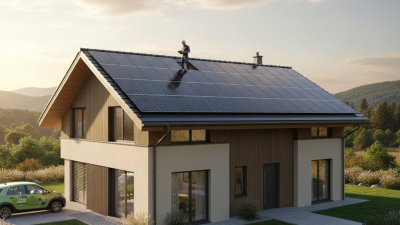
Choosing solar shingles for global projects requires more than comparing power ratings. Roof design, climate, building codes, installation skills, and long-term service access all influence the decision. A product that performs well on a sunny suburban roof may struggle in a humid coastal town or a snow-heavy mountain region. Context matters.
This guide examines solar shingles through practical project experience and technical evaluation. It considers temperature ranges, wind resistance, fire classification, hail exposure, roof pitch, drainage, and expected energy yield. It also reviews product certifications, manufacturer warranties, installer training, replacement procedures, and supply reliability. A sample roof should be assessed, not guessed. Small details matter, such as flashing around a chimney or water collecting near an uneven seam.
Performance is only one part of the decision. Global buyers should verify local approval requirements and consult qualified roofing and electrical professionals. Independent test data can reveal limitations that marketing materials hide. Manufacturer support is equally important when a damaged module must cross a border for replacement. That delay can affect both safety and project revenue.
No checklist is perfect. Project assumptions can fail.
Even experienced teams may underestimate maintenance costs, shipping delays, or regional weather patterns. A careful selection process should leave room for uncertainty and future inspection. The right solar shingles should balance energy production, roof protection, installation quality, appearance, and lifecycle value. That balance will differ between a school in Spain, a warehouse in Brazil, and a residence in Canada. Reliable decisions come from evidence, local expertise, and honest review of what remains unknown.
How to Choose Solar Shingles for Global Projects?
Define Solar Shingles and Their Core Technologies
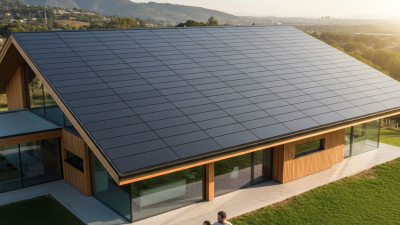
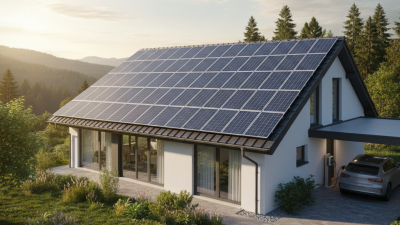
Solar shingles are building-integrated photovoltaic units designed to replace conventional roofing materials. Unlike mounted panels, they produce electricity while protecting the roof from rain and sunlight. Each shingle usually contains silicon solar cells, protective glass, electrical conductors, and a weather-resistant backing. Their clean appearance suits homes, offices, and heritage-sensitive projects. However, they may generate less power per roof area than standard panels. That trade-off matters.
Most solar shingles use monocrystalline silicon cells for higher efficiency. Some designs use thin-film materials, which can perform better on unusual surfaces or in weaker light. The cells create direct-current electricity, while an inverter changes it into usable alternating current. Microinverters can help manage different roof sections independently. Bypass diodes also reduce losses when leaves or shadows cover part of the roof. Heat can still lower output.
Global projects need more than attractive roofing. Engineers should check roof pitch, local sunlight, wind loads, snow pressure, humidity, salt exposure, and maintenance access. Electrical equipment must meet applicable safety and grid requirements in each market. Field teams often inspect sample sections before full installation. A dark roof may look elegant, but high temperatures can reduce performance. Early production estimates can be too optimistic. I would request tested performance data, clear warranty terms, and practical replacement procedures. Small details matter.
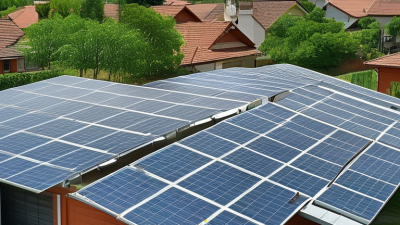
Choosing solar shingles for global projects starts with the local climate, not the product brochure. The IEA PVPS Trends 2024 report records more than 1.6 terawatts of global solar capacity by the end of 2023. Yet output varies sharply by location. Hot roofs lose efficiency, while snow, salt, dust, and hail increase maintenance demands. Check temperature ranges, wind uplift, rainfall intensity, and freeze-thaw cycles. Coastal sites need stronger corrosion controls. Desert sites need realistic cleaning plans.
The building itself sets another boundary. Confirm roof pitch, structural loading, drainage, fire separation, and under-roof ventilation before selecting shingles. A small roof may have dormers, skylights, and shaded valleys. These details can reduce usable area considerably. IEA’s Buildings 2023 report states that buildings account for about 30% of global final energy use. Therefore, assess the building’s hourly load, not only its annual consumption. Schools, clinics, and warehouses need different generation profiles. Battery space may also affect the design.
Use measured solar data where possible, then compare modeled yields under local conditions. Require testing against recognized photovoltaic safety and performance standards, including IEC 61215 and IEC 61730. Ask for documented fire, wind, hail, and water-intrusion results. Field inspections matter more than attractive simulations. I have seen designs fail because roof ventilation was treated as an afterthought. That mistake is costly. Energy forecasts also remain imperfect; future shading, occupancy, and maintenance are easy to underestimate. Leave practical access for repairs, and review assumptions with local engineers before approval.
How to Choose Solar Shingles for Global Projects?
Solar shingles must balance efficiency, durability, and installation complexity. The Fraunhofer ISE Photovoltaics Report 2024 places common crystalline-silicon module efficiency near 20–23%. Integrated shingles may produce less power per square metre. Their roof-level appearance can still improve project value. The IEA PVPS Trends 2024 report recorded about 456 GW of new solar capacity worldwide in 2023. This growth increases demand for predictable output, not attractive roofs alone. Compare the shingle’s tested power, temperature coefficient, and low-light performance. Shade from chimneys can expose weak designs quickly.
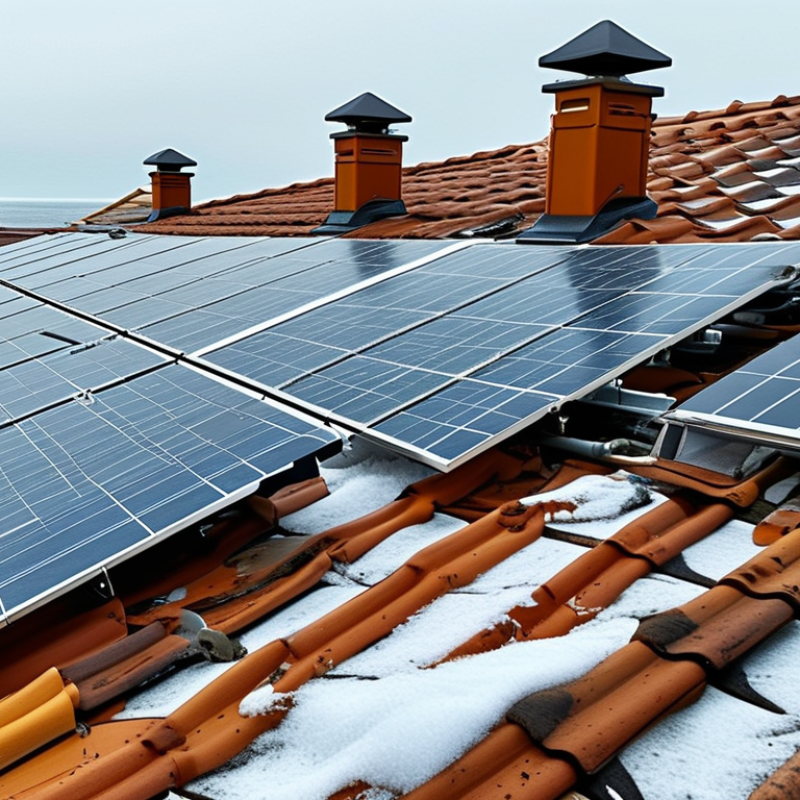
Durability depends on more than the cell. Check IEC 61215 and IEC 61730 testing, fire classification, wind resistance, snow loading, and water management. NREL research has reported a median PV degradation rate near 0.5% annually, although product conditions vary. Warranty language needs careful reading. It may exclude roof damage, installation errors, or extreme climates. For coastal projects, salt mist testing matters. For tropical sites, heat and humidity matter more. I would not assume identical performance across continents. That assumption is often expensive.
Tips: Select a roof-integrated system when replacing the roof structure. Use an overlay method only after checking weight, ventilation, and drainage. Coordinate roofing and electrical crews before procurement. Require mock-up testing around valleys, vents, and flashing. Leave service access for future repairs. A slightly lower-efficiency shingle may be wiser when installation is faster and local technicians can maintain it. Yet every project should verify that trade-off with measured site data.
Comparison of representative efficiency, service life, and installation duration for common rooftop solar solutions.
Solar shingles typically provide lower conversion efficiency than conventional rooftop PV modules because of roof-integration constraints. Their service life is generally comparable to modern PV systems, while installation can take longer because roofing and electrical work must be coordinated. Values shown are indicative industry benchmarks and should be verified against local climate, building codes, roof design, and installer capability.
How to Choose Solar Shingles for Global Projects?
Verify Standards, Costs, Suppliers, and Project Support
Choosing solar shingles for an international project requires more than comparing power ratings. Check applicable electrical, building, fire, wind, snow, and hail standards in the destination country. Request current test reports, installation manuals, and warranty terms. Documents should match the exact product configuration, not a similar model. A rooftop in coastal Europe may face different loading and corrosion risks than one in a hot desert region. Local approval can also change the project schedule.
Cost analysis must include the complete roof system. Measure roof preparation, underlayment, mounting accessories, inverters, wiring, labor, shipping, customs, taxes, and future replacement work. A low unit price can hide expensive installation details. Ask suppliers for a project-based bill of materials and a five-year maintenance estimate. Currency changes matter too. I have seen budgets fail because transport and local labor were treated as minor items. That assumption deserves more scrutiny.
Supplier evaluation should include production capacity, quality-control records, batch traceability, and financial stability. Request independent inspection before shipment. Ask for references from projects with similar climate and roof design. Reliable suppliers provide technical drawings, training, spare parts, and responsive engineering support. Confirm who handles damaged deliveries and warranty claims. A remote project may need video commissioning and local technicians. Support promises sound convincing, but response times should be written into the contract. Even experienced teams can overlook roof geometry during early design. Rechecking every measurement is slower, yet often cheaper.
| Project Profile | Recommended Product Type | Standards and Certifications to Verify | Typical Technical Range | Indicative Product Cost | Supplier Capability | Project Support Requirements | Key Verification Questions |
|---|---|---|---|---|---|---|---|
| New residential construction Standard pitched roof with clear solar exposure |
Interlocking photovoltaic shingles with concealed wiring and roof-integrated flashing | IEC 61215 for design qualification; IEC 61730 for module safety; local electrical, roofing, wind, snow and fire codes | Typical module efficiency: approximately 15%–23%; system voltage commonly compatible with 600–1,000 V DC architectures | US$180–400/m² Indicative product-only range; excludes installation, inverter, storage, shipping and taxes |
Stable production capacity, documented quality-control procedures, replacement-unit availability and installer training | Roof-layout drawings, installation manuals, electrical diagrams, permit documents and commissioning checklist | Are the shingles compatible with the local roof substrate, underlayment, flashing method and minimum roof pitch? |
| High-wind or hurricane-prone region Coastal or cyclone-exposed roof |
Mechanically secured system with tested uplift resistance and corrosion-resistant fastening components | IEC 61215 and IEC 61730; applicable local wind-load code; verified uplift, impact and water-intrusion test reports | Design wind resistance must be calculated for the actual building height, exposure category, roof zone and edge conditions | US$220–450/m² Higher specification may increase attachment and engineering costs |
Engineering support for site-specific wind calculations, corrosion-resistant hardware and documented installation control | Stamped structural calculations, roof-zone attachment plans, coastal corrosion guidance and post-storm inspection procedures | What tested uplift pressure was achieved, under which test method, and how were perimeter and corner zones evaluated? |
| Cold and snowy climate Frequent snow, ice and freeze–thaw cycles |
High-load photovoltaic shingles with robust encapsulation and snow-shedding roof detailing | IEC 61215 environmental and mechanical-load testing; IEC 61730 safety testing; local snow-load and ice-dam requirements | Common certified static-load test level: up to 5,400 Pa for many crystalline-silicon modules; project design load may be higher or lower | US$200–430/m² Additional roof insulation, membrane and snow-management costs may apply |
Cold-weather installation procedures, low-temperature cable specifications and validated freeze–thaw performance data | Snow-load calculation, drainage and ice-dam detailing, cold-start inverter assessment and maintenance access planning | Does the published load rating reflect the complete installed assembly, including battens, clips, fasteners and roof structure? |
| Commercial or heritage building Appearance-sensitive roof renovation |
Low-profile architectural photovoltaic shingles with color and texture options subject to planning approval | IEC 61215 and IEC 61730; local heritage, planning, fire, roof-covering and electrical requirements; BIPV-specific evaluation where applicable | Energy yield depends on roof orientation, tilt, shading, temperature coefficient and active roof coverage; aesthetic variants may reduce output | US$250–550/m² Custom colors, low-volume production and approval documentation can increase cost |
Ability to provide project samples, color consistency data, shop drawings, mock-ups and long-term replacement matching | Visual mock-up, heritage consultation package, fire documentation, roof survey and detailed interface drawings | Are the visible dimensions, reflectance, color variation and replacement process acceptable to the planning authority? |
| Hot and high-irradiance region Strong sunlight and high operating temperatures |
Ventilated roof-integrated system using modules with a low temperature coefficient and UV-resistant materials | IEC 61215 damp-heat and UV-related qualification; IEC 61730; local heat, fire, rooftop and electrical requirements | Typical crystalline-silicon power temperature coefficient: approximately −0.25% to −0.40% per °C, depending on cell technology | US$170–380/m² Ventilation layers, UV-resistant membranes and thermal design may add balance-of-system cost |
Thermal-performance data, UV exposure results, suitable adhesives and installation methods validated for high ambient temperatures | Thermal modeling, ventilation detailing, cable derating, inverter placement guidance and soiling-maintenance planning | What operating-temperature assumptions were used for energy modeling, and how is heat removed from the roof-integrated assembly? |
| Remote or multi-country rollout Different codes, logistics and installer skill levels |
Standardized modular shingles with region-specific installation kits and documented replacement parts | IEC 61215 and IEC 61730; destination-country grid, fire, building and import requirements; local certification where mandatory | System design should include local grid voltage, frequency, string limits, rapid-shutdown requirements and battery compatibility | US$160–420/m² Delivered cost varies with order volume, Incoterms, freight, insurance, duties and local warehousing |
Multi-region documentation, export packaging, traceability, spare-parts planning, multilingual support and dependable lead times | Online training, installer certification, remote commissioning, regional technical contacts and warranty-claim procedures | Can the same product family be legally installed in each target market, and are replacement units available for the full warranty period? |
Solar shingles should be selected for service life, not showroom appearance. Global projects face salt spray, hail, freezing temperatures, intense heat, and dust. The IEA PVPS Trends 2024 report recorded more than 400 GW of new solar capacity in 2023. This rapid growth makes dependable, replaceable components increasingly important.
Start with verified testing under IEC 61215 and IEC 61730 requirements. Review wind-load, fire, moisture, and mechanical-load results. NREL field research found a median photovoltaic degradation rate near 0.5% annually. That figure is useful, but it is not universal. Roof integration, ventilation, and installation quality can change the outcome. I have seen attractive designs fail when water drainage was treated as an afterthought. A perfect specification rarely survives every climate.
Tips: Compare temperature coefficients, hail ratings, salt-mist testing, and expected annual degradation. Check whether replacement shingles remain available locally for ten years. Confirm installer training before approving the design. Ask for independent test reports, not only marketing claims. Include monitoring data in the project plan, because small output losses can remain invisible without it. For remote sites, favor simple maintenance access and standardized electrical connections. The cheapest option may become expensive after one difficult repair.