Why Choose Roof Top Solar Panels for Your Home?
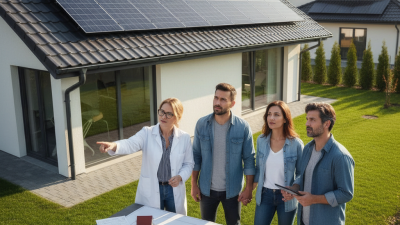
In recent years, roof top solar panels have become a popular choice for homeowners. They offer a sustainable energy source and can reduce monthly electricity bills. According to Dr. Lisa Green, a renowned expert in renewable energy, "Investing in roof top solar panels is not just about savings; it’s about creating a sustainable future." This emphasizes the significance of making eco-friendly choices.
Homeowners may wonder if roof top solar panels truly are worth the investment. Installation costs can be high, and some systems may not provide immediate returns. However, the long-term benefits can outweigh these concerns. It often takes time to fully appreciate the savings generated and the reduction in carbon footprints.
This journey towards sustainable living using roof top solar panels requires commitment and patience. The learning curve can be steep, and not every installation goes as planned. Yet, many find that the rewards are undeniable, both financially and environmentally. Embracing roof top solar panels prompts reflection on personal energy consumption and the legacy one leaves behind.
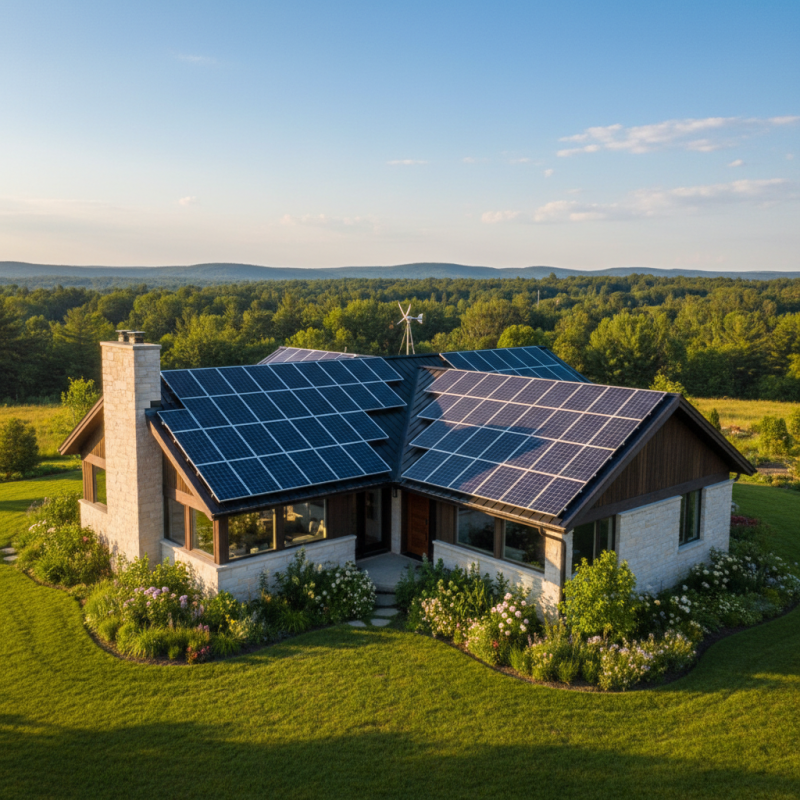
Benefits of Installing Roof Top Solar Panels for Homeowners
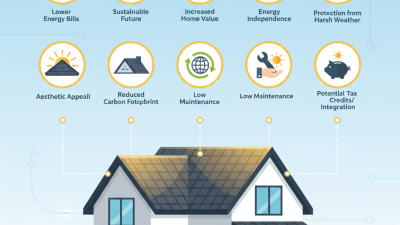
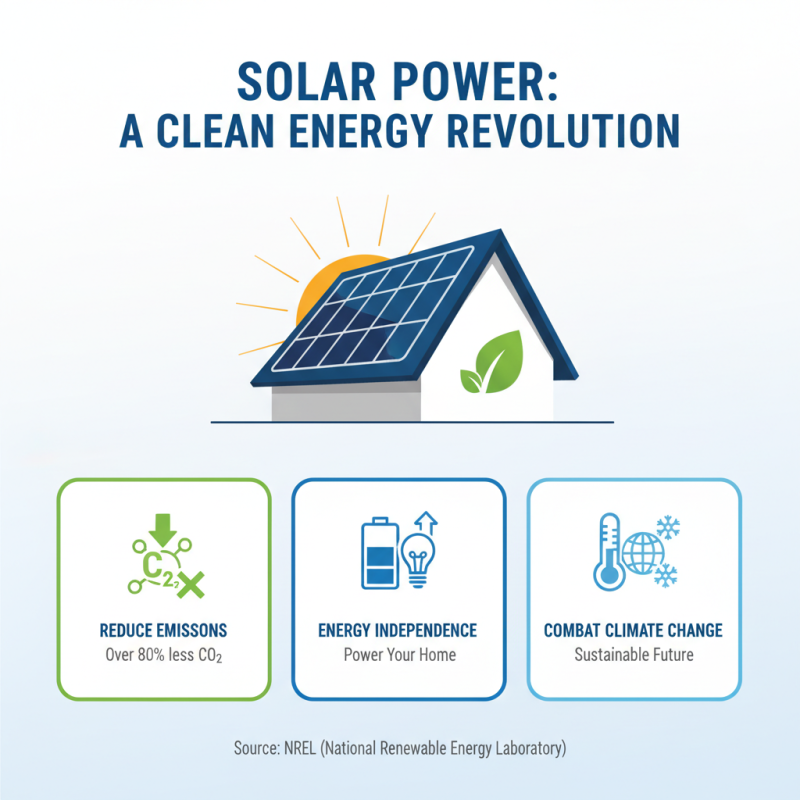
Installing roof top solar panels offers numerous benefits for homeowners. First, they can significantly reduce your energy bills. By harnessing sunlight, you generate your own power. This also lowers dependence on the grid. You might even produce extra energy. That surplus can often be sold back, providing additional income.
Consider the environmental impact. Solar panels help reduce your carbon footprint. They rely on renewable energy. However, installation may require an upfront investment. Some homeowners find this challenging. It's essential to think about long-term savings versus initial costs.
Tips: Research local solar incentives. Many areas offer tax credits or rebates. These can lessen upfront costs significantly. Also, check your roof’s suitability for solar. Look for shade-free areas that receive ample sunlight throughout the day. This can make a big difference in energy production. Lastly, prioritize quality over price during installation.
Cost Savings and Financial Incentives for Solar Panel Installation
Roof top solar panels can greatly reduce your energy costs. Many homeowners notice a significant drop in their monthly bills after installation. Additionally, there are financial incentives available. These can vary by location but often include tax credits and rebates. Finding out what is available in your area can lead to further savings.
Tip: Always research local incentives before installation. Some states offer substantial rebates. This can lower your upfront investment.
The installation cost might seem high initially. However, the long-term benefits are noteworthy. Over time, savings on energy bills can offset the installation cost. You could even see a return on investment in just a few years. Keep in mind maintenance costs, which can add up.
Tip: Regularly check the condition of your panels. Occasionally, they may need cleaning or servicing. This ensures optimal performance and longevity.
Choosing solar power is a commitment. It requires careful planning and consideration. Every household's situation is unique, and what works for one may not work for another. Explore your options and weigh the benefits against your lifestyle.
Why Choose Roof Top Solar Panels for Your Home? - Cost Savings and Financial Incentives for Solar Panel Installation
| Aspect |
Details |
| Initial Cost Savings |
The average cost of installing solar panels has decreased by over 70% in the last decade. |
| Monthly Savings |
Homeowners can save between $30 to $200 or more on their monthly electricity bills. |
| Tax Incentives |
Federal tax credit allows homeowners to deduct 26% of the cost of solar panel installations from their federal taxes. |
| State Incentives |
Many states offer additional tax credits, rebates, or performance-based incentives for solar energy systems. |
| Increased Home Value |
Homes with solar energy systems can sell for approximately 4.1% more on average than comparable homes without solar. |
| Long-term Savings |
Over 20 years, solar panel owners can save over $20,000 on electricity costs on average. |
| Financing Options |
Various financing options like solar loans, leases, and Power Purchase Agreements (PPAs) make installations more accessible. |
Technical Considerations for Roof Top Solar Panel Systems
When considering roof top solar panels, you need to account for several technical factors. The orientation and tilt of your roof play a crucial role in energy production. Ideally, panels should face south in the northern hemisphere. A steeper tilt can capture more sunlight, but this might not fit your home's aesthetics.
Another aspect is the roof's material and condition. Some materials are better suited for solar installation. Asphalt shingles, for example, are compatible. Older roofs may require repairs or replacements before solar panel installation. This adds extra steps and costs to the project.
Electronics and wiring are also essential considerations. Inverter choices affect energy conversion efficiency. String inverters are common but may not maximize solar potential. Microinverters can increase efficiency but may cost more upfront. Lastly, proper shading analysis of surrounding trees or buildings is vital. Even partial shading can significantly reduce energy output. Planning these details can make or break your solar investment.
Energy Production by Solar Panel Types
This chart displays the average efficiency of different types of solar panels used in rooftop installations. Monocrystalline panels are known for their high efficiency, while polycrystalline and thin-film panels offer more affordable options but with lower efficiencies.
Long-Term Maintenance and Lifespan of Solar Panels on Rooftops
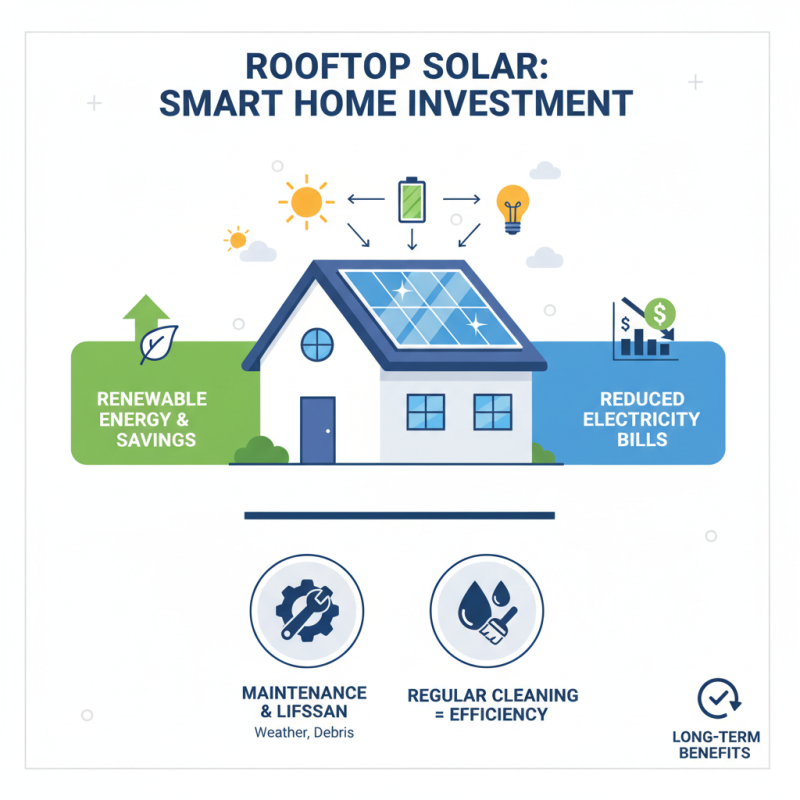
Rooftop solar panels are an excellent long-term investment for your home. They provide renewable energy and significantly reduce electricity bills. However, their maintenance and lifespan require careful consideration. Factors like weather and debris can impact performance. Regular cleaning is essential to maintain efficiency.
Most solar panels can last 25 years or more. Yet, this doesn’t mean they are problem-free. Some panels may degrade more quickly due to poor installation or uncommon environmental conditions. It’s crucial to monitor their performance over time. Homeowners should expect some drops in efficiency and plan for possible replacements.
When considering rooftop solar, think about the maintenance involved. Not all rooftops are easily accessible for cleaning and repairs. Gritty debris can accumulate, blocking sunlight. Additionally, some areas may face more challenges, like heavy snow or high winds. Hence, choosing the right location is vital. Balancing these factors can help ensure you maximize the benefits of solar energy.