Investing in solar energy is a significant decision. Many homeowners strive to optimize their solar roof cost. However, the financial burden can be daunting. Understanding how to reduce expenses is essential. The technology has advanced, yet costs can remain high.
With the right strategies, you can minimize these expenses effectively. Exploring possible incentives can lead to savings. Local programs or federal tax credits often go unnoticed. Some might think solar is out of reach, but that's not true.
Research indicates that careful planning can cut costs significantly. Planning your installation during off-peak seasons can save money. Finding a reputable contractor is critical, but costs vary widely. Transparency in pricing is key, which can lead to better budget decisions. In the end, becoming informed can greatly enhance your investment. Knowledge not only reduces costs but also maximizes energy efficiency over time.

Choosing the right solar roofing material plays a significant role in reducing overall costs. Different materials come with varying price points and efficiencies. Asphalt shingles are popular due to their affordability. However, they may not last as long as other materials. Metal roofing is durable but often more expensive upfront. Weighing these options is crucial.
Consider local climate when selecting material. Some materials perform better in specific weather conditions. For example, tile roofs offer excellent insulation in warm climates. On the flip side, they can be heavy and may require additional structural support. Always evaluate your home’s needs and environmental factors.
Here are a few tips for making informed choices. Research the long-term performance of materials. Lower initial costs can lead to higher repair expenses. Compare warranties from manufacturers. A longer warranty often indicates manufacturer confidence in their product. Seek advice from local experts who understand regional requirements. They can provide insights that align with your budget and expectations.
Installing solar panels can be a significant investment. However, homeowners can benefit from various federal and state incentives designed to reduce these costs. According to the Solar Energy Industries Association, homeowners can receive a federal tax credit of 26% for solar systems installed by the end of 2022, which can effectively lower the overall upfront cost.
Many states also offer additional financial incentives. For instance, some states provide rebates or property tax exemptions for solar energy systems. A report from the National Renewable Energy Laboratory indicated that state incentives vary widely, impacting the return on investment for solar installations. In California, homeowners could potentially save thousands more through local utility programs.
While these incentives help, not every homeowner takes full advantage. The complexity of incentive applications can deter some. Misunderstanding the eligibility criteria or failing to consult up-to-date resources adds to the challenge. Hence, potential installers should research thoroughly and consult local energy offices to maximize savings.
| Tip | Description | Potential Savings | Applicable Incentives |
|---|---|---|---|
| Shop Around | Compare quotes from multiple contractors to find the best deal. | $1,000 - $2,000 | Local rebates |
| Consider DIY Installation | Install solar panels yourself if you have the skills to save on labor costs. | $5,000 - $10,000 | Tax credits for renewable energy |
| Choose the Right Size | Select a system size that meets your needs without oversizing. | $1,500 - $4,000 | Federal solar tax credit |
| Utilize Tax Credits | Take advantage of federal and state tax credits available for solar installations. | Up to 30% of installation cost | Federal tax credit |
| Participate in Local Incentive Programs | Engage in local programs offering rebates or subsidized loans. | Varies by program | State grant programs |
| Bank Financing Options | Look for banks offering favorable loans for solar installations. | Savings on interest | None |
| Consider Leasing Options | Lease solar equipment rather than purchasing outright. | Immediate lower monthly payments | State leasing programs |
| Inquire About Performance-Based Incentives | Look for incentives based on the actual energy produced. | Varies based on production | Utility performance incentives |
| Review Home Efficiency | Improve home energy efficiency to reduce overall solar system size needed. | Potential long-term savings | Energy efficiency grants |
| Stay Informed on Policy Changes | Keep up with changes in legislation that may affect tax credits and incentives. | Maximize available incentives | Updated Federal/State Programs |
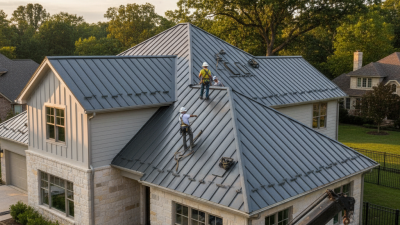
When considering solar roof installation, the choice between DIY and professional help impacts costs significantly. DIY installation may seem like a cost-effective route. However, it often leads to unexpected challenges. Many homeowners underestimate the complexity of solar setups. Mistakes can be costly and may even void warranties.
Investing in professional installation ensures expertise. Professionals understand local regulations and can secure necessary permits. Their experience often leads to quicker, more efficient installations. While the upfront cost is higher, the long-term savings usually balance this out.
To reduce solar roof costs, consider these tips:
When considering solar roof costs, panel efficiency emerges as a crucial factor. Higher efficiency panels convert more sunlight into electricity, reducing the number required for your home. Fewer panels mean lower installation and material costs. For instance, a typical high-efficiency panel produces 20% more energy. This efficiency can directly influence your total investment.
However, investing in high-efficiency panels does require careful consideration. These panels often come with a higher upfront cost. The savings from lower energy bills may take years to offset the initial investment. Homeowners must weigh the long-term benefits against immediate expenses. It’s essential to evaluate energy needs and local sunlight conditions. Not all homes will see the same returns on high-efficiency systems.
In some cases, mid-range panels can offer a good balance. They may not be the most efficient, but they often provide decent performance at a lower price. Homeowners should compare different options and seek advice from experts. This research can help identify a solution that aligns budget and energy goals. The journey to reduce solar roof costs doesn’t have a one-size-fits-all answer.
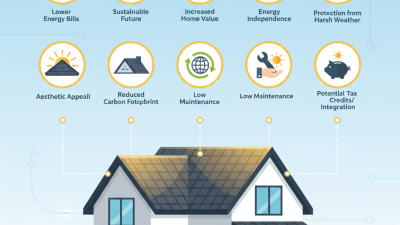
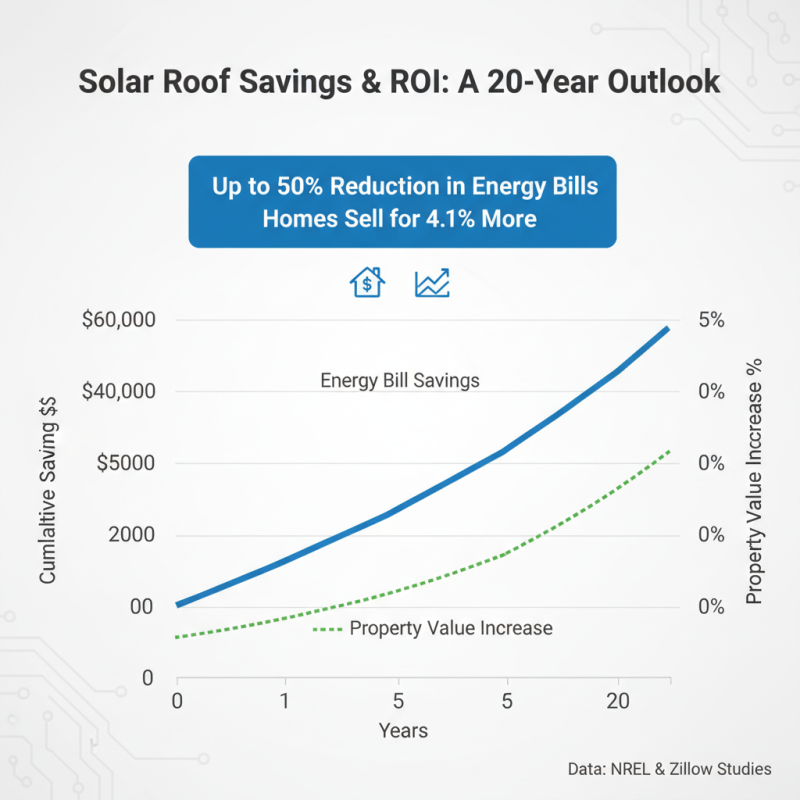
Investing in solar roofs can yield significant long-term savings. Homeowners often see a reduction in energy bills by up to 50%, according to the National Renewable Energy Laboratory. This shift not only lowers monthly expenses but also increases property value. A study by Zillow states that homes with solar panels sell for 4.1% more than those without.
However, upfront costs can be daunting. Prices range from $15,000 to $30,000 for installation, which raises questions about initial investments. A careful evaluation of return on investment (ROI) is essential. On average, it takes around 5 to 7 years to break even on solar installations. This varies by location and energy prices.
It's also crucial to reflect on maintenance costs. Solar roofs require periodic inspections. Neglecting these can lead to decreased efficiency. Some homeowners may experience unexpected expenses, which can affect overall savings. Engaging with professionals to estimate both savings and costs is a wise choice. Accurate calculations ensure that the investment aligns with individual financial goals.