7 Best Tesla Solar Roof Cost Estimates for 2026

A Tesla Solar Roof can turn a roof replacement into an energy project, but the price is rarely a simple number. The tesla solar roof cost depends on roof area, design complexity, existing materials, local labor, and whether you add a Powerwall. A steep roof with several valleys, skylights, or older decking may require more work than a broad, simple roof. Details matter.

Tesla CEO Elon Musk described the ambition in 2016: “The goal is to make solar roofs that look better than a normal roof, generate electricity, last longer, have better insulation and actually cost less than a normal roof plus the cost of electricity.” That is a goal, not a promise about every home’s final bill. This guide compares seven 2026 cost estimates and explains what each figure may include. Look closely at roof removal, electrical upgrades, storage, warranties, and available incentives. Two quotes can appear far apart because one includes work the other leaves out. Ask for itemized proposals and compare the total installed price, not just the headline estimate. Small print counts.

Even a careful estimate can miss surprises beneath old shingles. That is worth remembering. Use the figures here as planning ranges, then confirm details with a current site assessment and written quote. The numbers may shift by location and project scope. Your roof is not a spreadsheet.
7 Best Tesla Solar Roof Cost Estimates for 2026

Understanding Tesla Solar Roof Pricing in 2026

Understanding solar roof pricing in 2026 starts with the roof itself, not just the panels. A project estimate may include glass roofing tiles, energy storage, electrical equipment, permits, and installation. For a typical home, quotes can vary widely because roof size, pitch, and local labor rates differ. A steep roof with several valleys takes longer to install than a simple, low-pitch design. The final price may also include removing old shingles or repairing damaged decking.

Compare itemized quotes, not headline prices. Ask whether the estimate covers the battery, inverter, roof repairs, and utility connection. Check the assumed energy production against your recent electricity bills; a large system is not automatically a better investment. Warranties and expected maintenance matter, too. Estimates are still estimates. I would treat any early figure as provisional until an installer has inspected the roof and electrical service.

Tips: Request a site visit and a written breakdown. Confirm which costs can change after inspection, and ask how shade from nearby trees affects output. Keep a small contingency for hidden roof damage. It is easy to overlook that detail. A quote that seems unusually low may leave important work out.
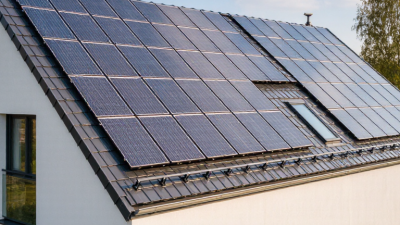
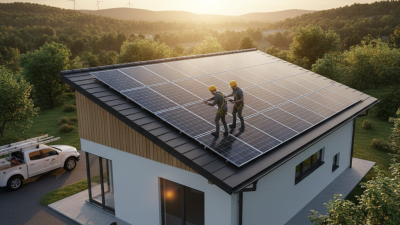
Seven Cost Estimates by Roof Size and Project Scope

For 2026, these seven planning estimates use gross roof area and approximate solar capacity. They are illustrative U.S. dollar ranges, before incentives, and assume standard installation conditions. Not a quote.

A 1,200-square-foot roof with about 5 kW of solar may cost $45,000–$65,000.

A 1,500-square-foot roof with 7 kW may run $55,000–$78,000.

For 2,000 square feet and roughly 9 kW, budget $70,000–$100,000.

A 2,500-square-foot roof with 11 kW could reach $88,000–$125,000.

A 3,000-square-foot roof with 14 kW may fall near $110,000–$155,000.

Scope can shift the estimate as much as size.

A 2,000-square-foot home with steep pitches, multiple valleys, and extensive tear-off might cost $90,000–$130,000.

The same roof with simpler geometry and a compatible battery could land around $100,000–$145,000.

Ask installers to separate roofing, solar, electrical, and storage costs. Shading, panel layout, service-panel upgrades, and local labor rates also matter. A few awkward roof planes can change the design—and the price. Compare written proposals using the same roof area and storage assumptions.

Key Factors That Affect Installation Costs

Installation cost depends on more than roof size. A larger roof needs more materials, but its shape matters just as much. Dormers, valleys, skylights, and narrow roof sections require extra cutting and careful fitting. Steep slopes may also call for additional fall protection and scaffolding. That adds labor. The existing roof can change the estimate, too. If an inspection finds damaged decking or several old layers to remove, preparation may take longer than expected. Solar tiles may cover only part of the roof, while matching non-generating tiles fill the rest; ask how each type is priced.

Electrical work is another major factor. A home may need an upgraded electrical panel, new wiring, or a battery system, each with separate equipment and labor costs. Distance between the roof, inverter, and battery can affect wiring needs. Local labor rates, roof access, and permit requirements also vary by area. Details matter. Request an itemized estimate that separates roofing, electrical work, equipment, and optional storage. Ask what the inspection includes and whether hidden damage changes the price. A roof assessed from photographs can conceal soft decking. Estimates are useful, but they are not guarantees.

What a Tesla Solar Roof Estimate Typically Includes

A 2026 roof-integrated solar estimate should separate the roof work from the electrical work. It should list roof area, system capacity in kilowatts, expected annual production, and the price per watt. Look for line items covering removal of old roofing, underlayment, flashing, electrical equipment, labor, permits, and any battery. Small details matter: a few sheets of damaged decking can change the final bill.

The Lawrence Berkeley National Laboratory’s Tracking the Sun 2024 report found a median installed price of about $3.30 per watt for residential solar systems installed in 2023. That figure is a useful reference, not a direct price for solar roofing, which also serves as a roof covering. NREL’s Q1 2023 cost benchmark likewise provides a standard residential solar comparison, but its assumptions may not match a roof-replacement project. Ask the estimator to explain what each benchmark includes.

A strong estimate shows assumptions, not just a total. It should state roof condition, shading, utility-rate assumptions, estimated output, and whether storage is included. Check warranty terms and who handles roof leaks or electrical repairs. Keep the exclusions in writing. I’d also ask what happens if hidden rot appears; estimates often make that part look simpler than it is.

How to Compare Quotes and Evaluate Long-Term Value

When comparing 2026 solar-roof estimates, look beyond the headline price. Ask each installer to itemize roofing materials, labor, electrical work, permits, and any battery storage. Details matter. A quote may exclude damaged decking or upgrades to an older electrical panel. Ask how those costs would be approved and billed before work begins.

Compare the same roof area and energy assumptions across proposals. Check estimated annual production, shade, roof pitch, and how much usable roof space each design covers. Then examine warranty terms and who handles service calls. Not always obvious. For long-term value, compare the upfront cost with estimated bill savings over time, using your actual electricity use and a cautious production estimate. Savings can change with utility rates, weather, and household habits, so treat projections as estimates, not promises. I would also check the quote’s expiration date; equipment and labor pricing can shift, and a rushed comparison is easy to regret.

7 Best Tesla Solar Roof Cost Estimates for 2026 - How to Compare Quotes and Evaluate Long-Term Value

2026 U.S. planning estimates: These are illustrative gross budget ranges for integrated solar-roof projects, not company quotes or guaranteed market prices. Actual bids depend on location, roof design, electrical work, permitting, and material availability.

Estimate Example Project Approx. Roof Area Solar System Size Battery Storage Estimated Gross Cost (USD) Quote Comparison Check
1 Small home with a simple roof and moderate electricity use 1,800 sq. ft. 5 kW None $45,000–$65,000 Confirm how much of the roof is solar-producing versus non-solar roofing material.
2 Typical home with a straightforward roof layout 2,400 sq. ft. 7 kW None $55,000–$80,000 Compare estimated annual generation using the same shading and weather assumptions.
3 Medium-to-large home with higher household electricity use 2,800 sq. ft. 9 kW None $65,000–$95,000 Check whether the proposed system size reflects actual usage and planned electric appliances.
4 Large home with a broad roof and a higher-output system 3,500 sq. ft. 12 kW None $80,000–$120,000 Review the roof plan, usable roof sections, inverter capacity, and utility export limits.
5 Home with a complex roof, multiple facets, or more difficult access 2,500 sq. ft. 8 kW None $70,000–$105,000 Ask for itemized costs for roof complexity, electrical upgrades, scaffolding, and permitting.
6 Medium-to-large home seeking backup power for essential loads 2,800 sq. ft. 10 kW 1 battery $85,000–$125,000 Check usable battery capacity, backup circuits, and whether backup equipment is included.
7 Large home seeking greater solar output and extended backup capability 3,500 sq. ft. 14 kW 2 batteries $110,000–$160,000 Compare battery capacity, outage operating assumptions, replacement terms, and total installed cost.

Long-term value: Compare each quote’s total installed price, estimated annual production, roof and equipment warranty terms, maintenance requirements, and expected utility-bill savings. Estimates are before incentives; verify eligibility and rules for the project year, and request a site-specific written proposal before making a decision.