What Are the Benefits of Flat Roofs in Modern Architecture?
Flat roofs are an interesting choice in modern architecture. They offer unique advantages that set them apart from traditional sloped roofs. Many contemporary designs embrace this style for its aesthetic appeal and functionality.
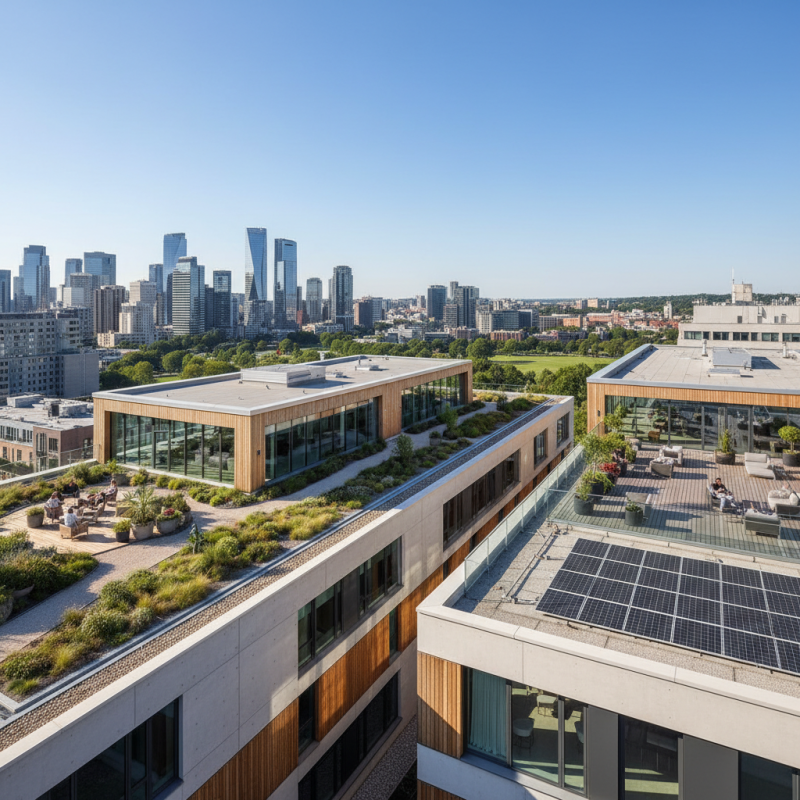
One of the notable benefits of flat roofs is the additional usable space they provide. Rooftop gardens or terraces can transform unused space into vibrant outdoor areas. This usage is especially valued in urban environments, where land is scarce. Moreover, flat roofs can be more energy-efficient. Proper insulation and materials can reduce heating and cooling costs.
However, flat roofs come with challenges. Rainwater drainage must be carefully planned to prevent leaks. Additionally, they may require more maintenance over time. Each architectural style has its pros and cons. Flat roofs exemplify this balance, offering both opportunity and responsibility to builders and homeowners.
Benefits of Flat Roofs in Modern Architecture
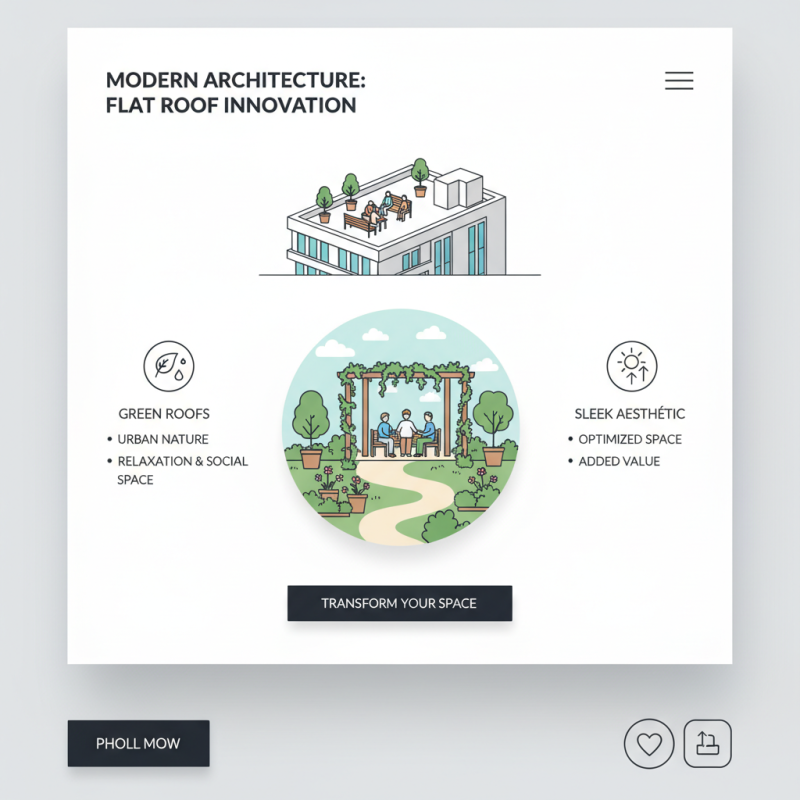
Flat roofs are a hallmark of modern architecture. They offer a sleek and minimalist aesthetic that many find appealing. These roofs allow for diverse building uses, including rooftop gardens and terraces. A flat roof can transform otherwise unused space into a functional area for relaxation or social gatherings. Sounds great, right?
However, flat roofs come with challenges. Drainage can often be an issue. Puddles may form if the roof isn't designed well. Regular maintenance is crucial to avoid leaks and damage. The materials used must be durable and resistant. Homeowners sometimes overlook these factors, leading to costly repairs. While the simplicity of flat roofs can be attractive, it also demands careful planning.
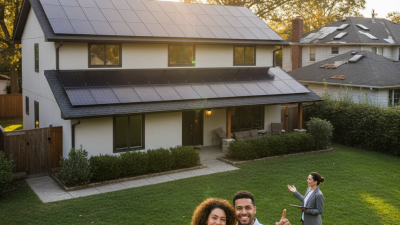
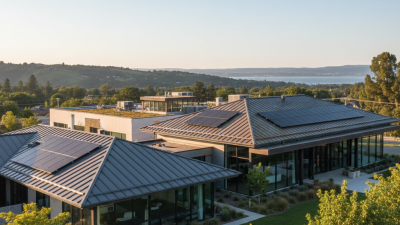
Energy efficiency is another benefit. Flat roofs can accommodate solar panels easily. This promotes sustainability and reduces utility costs. Skylights can also be installed to enhance natural lighting. These features make spaces feel larger and more open. Still, not every building can support a flat roof. Designers must consider the local climate and environment carefully. What works for one area may not work for another.
Design Flexibility and Creative Aesthetics of Flat Roofs
Flat roofs offer remarkable design flexibility in modern architecture. Their sleek, horizontal lines create a clean silhouette that complements various styles. Designers can easily integrate flat roofs into residential and commercial projects. This adaptability allows for creative solutions in urban settings. You might see rooftop gardens or terraces gracing such buildings, bringing nature to life in unexpected places.
The aesthetic appeal of flat roofs cannot be understated. They provide a canvas for innovative designs. Architects can experiment with materials and colors, enhancing visual interest. A bold choice could lead to unique textures, making a structure truly stand out. Yet, the flat roof concept isn't without its challenges. Proper drainage systems are essential to avoid water pooling. Some architects may overlook this crucial detail, leading to complications down the line. Balancing aesthetic ambition with practical requirements can be a complex task.
What Are the Benefits of Flat Roofs in Modern Architecture?
| Benefit |
Description |
Impact on Design |
| Design Flexibility |
Flat roofs allow for various designs and additional living space, such as rooftop gardens or terraces. |
Enhances architectural creativity and utility. |
| Energy Efficiency |
They can be equipped with insulation and solar panels, improving energy use. |
Promotes sustainable design and reduces operational costs. |
| Cost-Effectiveness |
Generally cheaper to install than pitched roofs due to materials and labor. |
Allows for budget allocation to other design elements. |
| Modern Aesthetic |
Flat roofs contribute to a sleek, contemporary look conducive to urban environments. |
Helps integrate structures into modern urban landscapes. |
| Rooftop Accessibility |
Provides accessible spaces for social gatherings, sunbathing or even urban agriculture. |
Enhances livability in densely populated areas. |
Cost-Effectiveness in Construction and Maintenance
Flat roofs have gained popularity in modern architecture largely due to their cost-effectiveness in both construction and maintenance. Building a flat roof typically requires fewer materials and less labor compared to traditional sloped roofs. This can lead to significant savings during the construction phase. Additionally, flat roofs provide extra usable space. Homeowners can turn this area into a rooftop garden or outdoor lounge, enhancing the property's value.
Maintenance costs for flat roofs can be lower over time. They are easier to inspect and repair, making potential issues more manageable. However, proper drainage is essential. Inadequate drainage can lead to water pooling, causing damage. Regular inspections are necessary to mitigate this risk.
Tip: Consider an annual maintenance schedule for your flat roof. This can help detect problems early, saving money on costly repairs later.
Homeowners should also think about insulation. Flat roofs can lose heat and require efficient insulation systems. Good insulation improves energy efficiency, reducing heating and cooling costs. Remember, a well-maintained flat roof can last for decades, but neglecting it can lead to expensive repairs.
Energy Efficiency and Sustainability Benefits of Flat Roofs
Flat roofs are becoming increasingly popular in modern architecture. One of their main advantages is energy efficiency. With proper insulation, flat roofs can significantly reduce heating and cooling costs. This design allows for the optimal use of renewable energy sources, such as solar panels. A flat surface maximizes solar exposure, making it easier to harness clean energy. Cities are often hot, so a flat roof reflects heat away, keeping buildings cooler.
Sustainability is another key benefit. These roofs can support green spaces, such as gardens or recreational areas. This enhances rooftop insulation and decreases heat absorption. Green roofs also improve air quality and provide habitats for wildlife. However, maintenance can be a challenge. Without regular care, flat roofs may accumulate water. This can lead to leaks and structural issues. Designers must carefully plan drainage systems.
Balancing aesthetics and functionality is essential.
Utilization of Roof Space for Green Areas and Recreational Use
Flat roofs are becoming a staple in modern architecture. They not only provide a sleek aesthetic but also turn unused space into a valuable asset. One way architects are utilizing this space is by creating green areas. These rooftop gardens provide much-needed nature in urban environments. They offer a space for relaxation and social gatherings. People can unwind surrounded by plants and flowers, away from the bustling streets.
Rooftop gardens also serve a practical purpose. They can help with insulation, reducing energy costs. However, maintaining these green spaces requires ongoing effort. Regular watering and care are essential to keep plants healthy. An unattended garden can quickly become overgrown or die off. These challenges should encourage thoughtful planning and community engagement to ensure success.
Recreational spaces on rooftops also promote health and well-being. They can host yoga classes, community events, or simply serve as a space for people to enjoy the outdoors. Yet, the design must consider safety and accessibility. Balancing aesthetics and functionality can be a tricky endeavor. Ultimately, these spaces should be inviting while also serving the community's needs effectively.